How FreeFly is Solving The Quiet Transit Crisis Within Elder Living Care

FreeFly’s sponsor-funded electric micro-transit gives assisted living and nursing home residents reliable, zero-fare rides across Greater Boston — without adding a line item to resident fees.

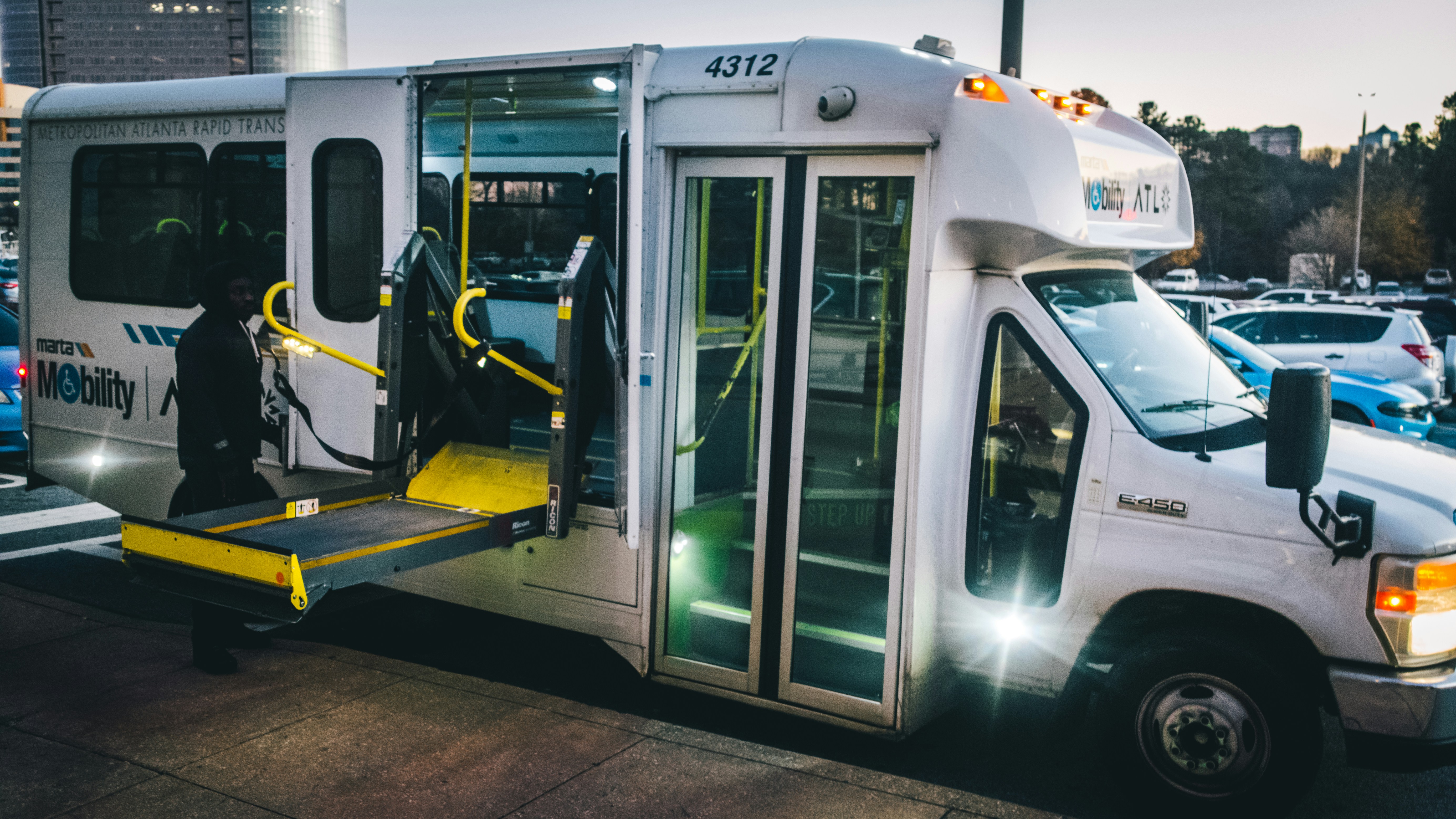
Photo by Osarugue Igbinoba on Unsplash

Walk into almost any assisted living community in Greater Boston and you’ll find the same quiet problem tucked behind the lobby: a transportation schedule that doesn’t quite work.

Maybe the facility van runs three days a week. Maybe it only goes to the pharmacy and the hospital, but not to a daughter’s house two miles away. Maybe there’s one driver, and when she takes a vacation, the schedule collapses. Residents adapt — they skip the optometrist, call a grandchild for a ride, or stop going out altogether.

That adaptation has a cost. In a 2024 national survey, 64% of seniors named lack of transportation as a top social barrier to their health, second only to the challenges of aging in place itself. Research reviewed by the National Council on Aging shows that seniors facing transportation barriers are significantly less likely to get preventive care, and that transportation difficulties are linked to higher rates of missed appointments, medication non-adherence, and preventable hospitalization.

This isn’t a niche operational issue. It’s a care issue.

What facility operators are actually dealing with

We talked to operators across the Boston area who tell us some version of the same story:

  • The facility van is expensive to run and under-utilized — it costs real money whether it makes one trip a day or ten.
  • Scheduling is rigid. Residents have to book days in advance, and there’s almost never capacity for a spontaneous trip.
  • Driver turnover is constant. Every departure creates a coverage gap.
  • Ride-share isn’t a real substitute. Uber and Lyft aren’t built for a resident who needs help out the door, doesn’t use a smartphone, or gets nervous with an unfamiliar driver.
  • Families notice. When a parent says “I couldn’t get a ride to the pharmacy again,” it becomes a conversation about whether the facility is the right fit.

None of the existing options were designed for a resident population that needs frequent, short, low-friction trips to destinations within a few miles of home.

How FreeFly fits

FreeFly is a zero-fare electric micro-transit service built around that exact gap. Here’s how it works for a facility:

  1. The facility becomes a zone sponsor. For a monthly fee, FreeFly establishes a defined service zone centered on the facility and the destinations residents actually use. Pharmacies, grocery stores, medical offices, local parks, places of worship, and family homes are all now within range.
  2. Residents ride free. No fare require; staff or residents request a ride, and a FreeFly electric shuttle shows up.
  3. The facility’s van becomes optional, not essential. FreeFly isn’t replacing clinical transport or specialized medical trips — it’s absorbing the everyday volume that used to eat up the van’s schedule.
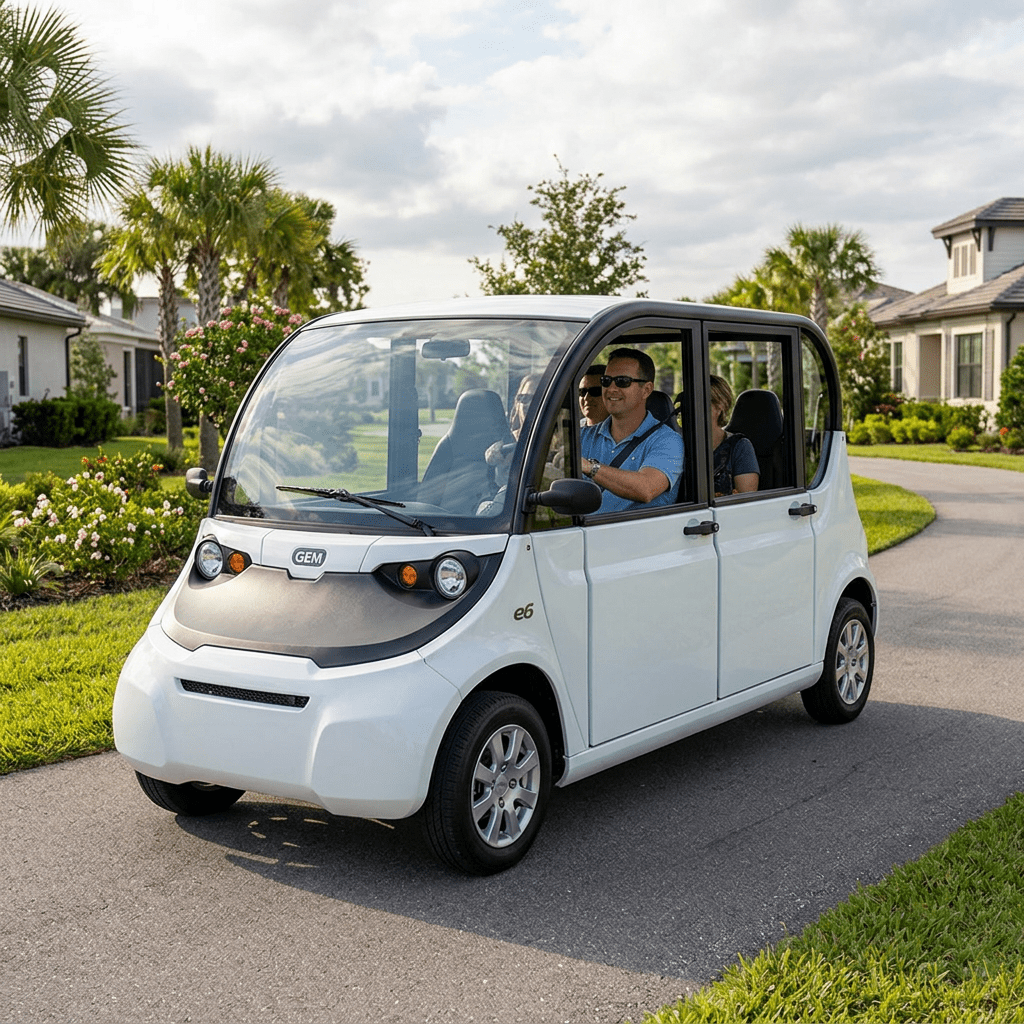
  4. Rides are short, local, and electric. FreeFly’s GEM E6 shuttles are sized for neighborhood trips, purpose-built for the kind of 1-to-5-mile rides that make up the bulk of senior transportation needs.

The model is deliberate: residents pay nothing, the facility pays a predictable monthly sponsorship, and FreeFly handles vehicles, drivers, insurance, and dispatch.

Small white electric vehicle with four passengers driving on residential street

The bottom line for operators

For the cost of a predictable monthly sponsorship, a facility can offer residents something closer to on-demand local mobility — without hiring a driver, maintaining a van, or passing costs to residents or their families. It’s a clean operational line item that directly improves resident quality of life, family satisfaction, and the facility’s own marketing story.

If you operate an assisted living or nursing home facility in Greater Boston and want to talk about what a FreeFly zone would look like for your community, we’d like to hear from you.


Sources

How Microtransit Is Solving the Last-Mile Problem for Parking Garages — And What It Means for Boston

The gap between the parking garage and your final destination is one of urban transportation’s most overlooked failures. Microtransit is changing that — and Boston is primed for it.

You parked your car. Now what?

That’s the question millions of commuters, event-goers, and visitors face every day. You pull into a parking garage, lock up, and then realize your actual destination is still a 15-minute walk, an unreliable bus transfer, or a $15 rideshare away. This “last mile” gap between the garage and where you’re actually going is one of urban transportation’s most persistent and most overlooked failures.

Microtransit is emerging as a direct answer to this problem.

What Is Microtransit?

The Federal Transit Administration defines microtransit as a technology-enabled service using multi-passenger vehicles to provide on-demand rides with dynamically generated routing within designated service areas. Think of it as a middle ground between a city bus and a rideshare; shared vehicles, flexible routes, but operating within defined zones at predictable cost.

Unlike fixed-route buses that run whether seats are filled or not, microtransit responds to real-time demand. Unlike rideshares, it’s designed around zones and communities rather than point-to-point pricing that fluctuates with surge rates.

Why Parking Garages Need This

Parking garage operators face a growing tension. Drivers want convenience from door to door, not just door to garage. When the walk from a garage to a final destination feels inconvenient or unsafe. Bad weather, time of day, and ambulatory constraints are some of the main contributing factors we’ve found in user surveys. Drivers instead will either avoid the garage entirely or leave frustrated.

For garage operators, this means lost utilization. For the businesses and venues those garages serve, it means lost foot traffic. The last mile isn’t just a commuter inconvenience, it’s a revenue problem for everyone in the chain.

Microtransit solves this by turning a parking garage from a dead end into a connected hub. Riders park, request a shuttle, and are taken directly to their destination within the service zone. This happens quickly, reliably, and at no cost to the rider when the service is sponsor-funded.

The Bottom Line

The last mile has been an afterthought in urban transportation planning for too long. Microtransit — especially sponsor-funded models operating electric vehicles in defined zones — offers a sustainable, practical, and scalable solution that benefits riders, businesses, and municipalities alike.

For Boston, a city where parking infrastructure is aging, transit gaps are well-documented, and the regulatory environment is actively encouraging innovation, the question isn’t whether microtransit will arrive. It’s who will move first.